
Chasing Trucks: A Food App Design Concept

UX Testing/Research

Mobile Design

Overview

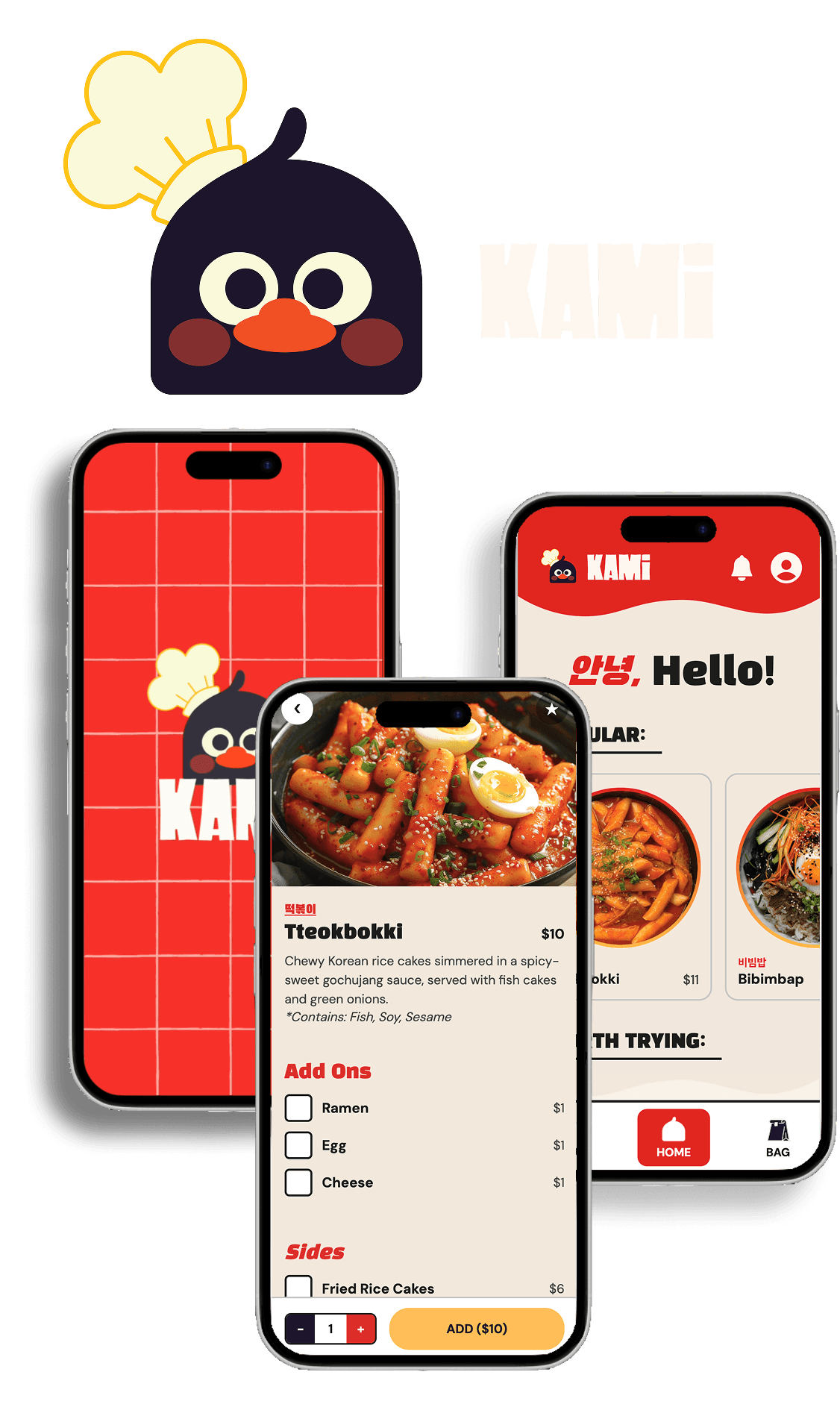
Kami is a Korean food truck on Drexel's campus and one of the only Asian food trucks in the area.

This case study covers two design iterations: a 10-week initial concept and a follow-up redesign sprint preparing the app for a real PHP and CSS build where I became the Project Manager.

Both phases shared the same goal: reduce ordering friction, keep users informed, and create an experience as welcoming as the food truck itself.

Chasing Trucks: A Food App Design Concept

UX Testing/Research

Mobile Design

Overview

Kami is a Korean food truck on Drexel's campus and one of the only Asian food trucks in the area.

This case study covers two design iterations: a 10-week initial concept and a follow-up redesign sprint preparing the app for a real PHP and CSS build where I became the Project Manager.

Both phases shared the same goal: reduce ordering friction, keep users informed, and create an experience as welcoming as the food truck itself.

Chasing Trucks: A Food App Design Concept

UX Testing/Research

Mobile Design

Overview

Kami is a Korean food truck on Drexel's campus and one of the only Asian food trucks in the area.

This case study covers two design iterations: a 10-week initial concept and a follow-up redesign sprint preparing the app for a real PHP and CSS build where I became the Project Manager.

Both phases shared the same goal: reduce ordering friction, keep users informed, and create an experience as welcoming as the food truck itself.

ROLE

Equal Collaborator (Phase 1), Project Manager + Designer, Usability Tester (Phase 2)

TIME

October - December 2025, January - March 2026

TOOLS

Figma, PHP, CSS, Google Forms, Zoom

TEAM

4 Members per Phase (8 in total)

TYPE

Mobile App Concept
PROBLEM

Kami's Setbacks

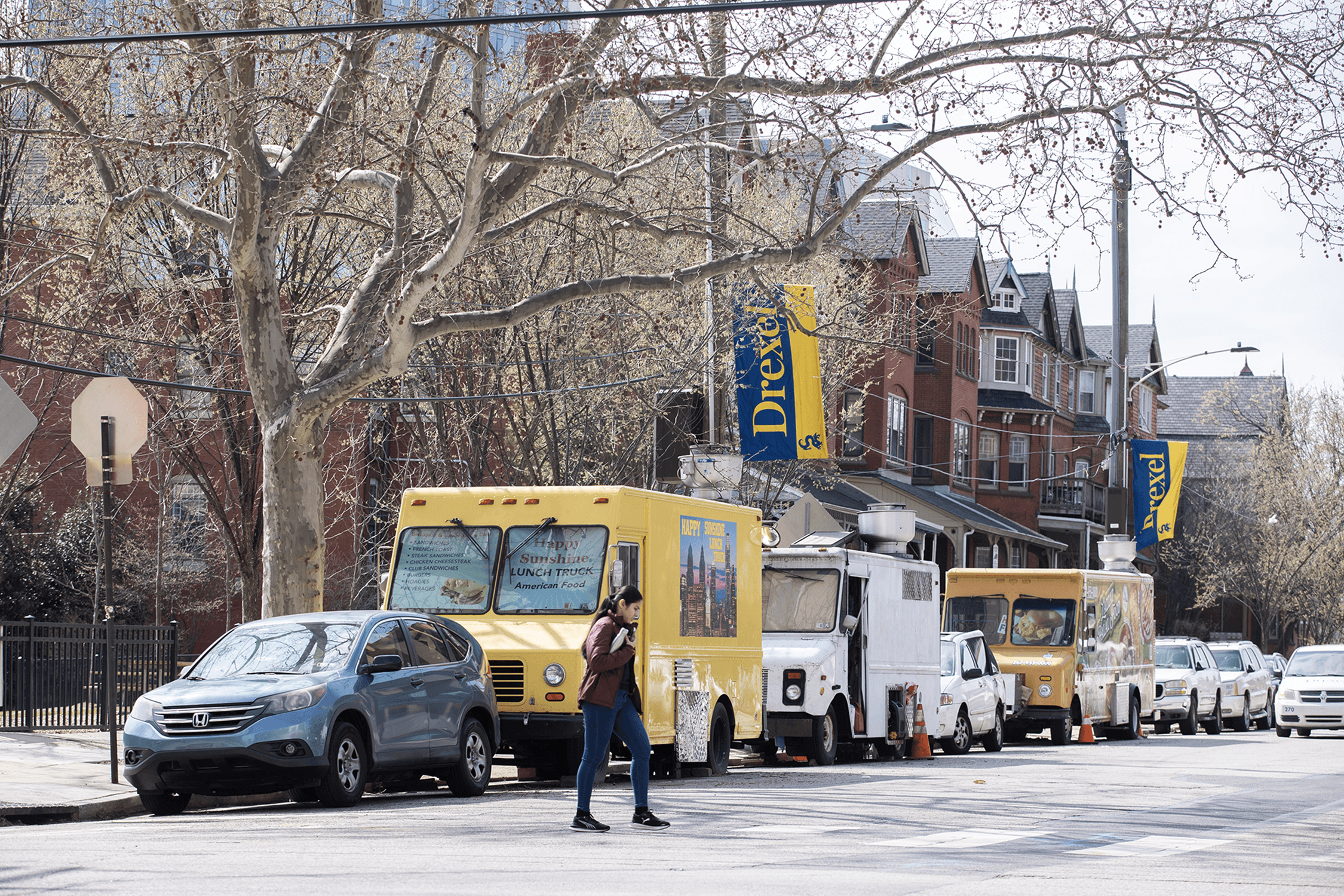
Without a dedicated ordering app, customers waited in long lines with no visibility into wait times. Finding out if the truck was even open meant checking Instagram. Three pain points emerged consistently from research:

Although it varied to every industry, the primary involved the following:

  • Long wait times during peak hours

  • No real-time updates on truck availability

  • Customizable menu that was difficult to translate into a clean ordering flow

Each of these was a moment where a potential customer could simply give up and go somewhere else.

Although it varied to every industry, the primary involved the following:

ROLE

Tasks Between Phases

Phase 1

Equal partner on a four-person team. Conducted visual observations, customer interviews, and usability testing over 10 weeks with no budget.

Phase 2

Project Manager and designer. Focused on closing usability gaps and preparing the design for development

Success

Target

4/5 average in usability testing and users completing orders without confusion
USER GROUPS

Multiple Audiences

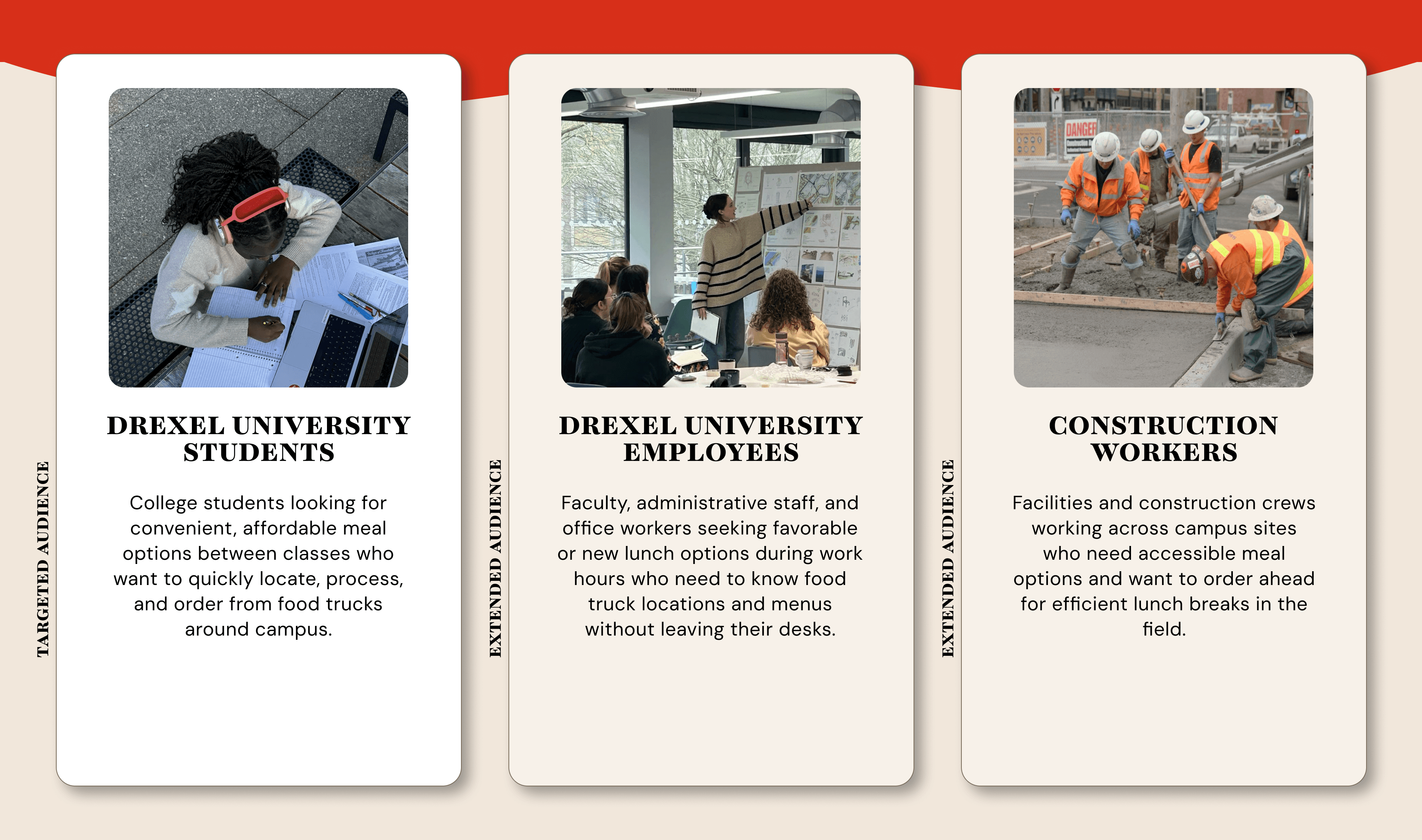
Customer interviews shaped three user personas across both phases:

Although it varied to every industry, the primary involved the following:

  • Drexel students

  • Faculty and staff

  • Nearby workers

Observational research confirmed students made up the clear majority of the customer base. They represented the highest volume of users and the most frequent interactions with the app, so their experience came first.

Although it varied to every industry, the primary involved the following:

COMPETITION

Figuring out the Competition

The team conducted visual observations, customer interviews, and usability testing to build a research-grounded concept.

A competitive analysis of nearby food trucks revealed a clear trend: the best-performing ones had clean menus with strong food photography. This mattered for Kami specifically because novelty only goes so far. Being the only Korean food truck draws curiosity. Strong visuals help convert it into an order, especially for first-timers unfamiliar with Korean cuisine.

Although it varied to every industry, the primary involved the following:

STEP-BY-STEP

How We Got There

From initial observations to final handoff, each phase was shaped by what real users felt was best and their overall design preferences.

01 — Research
& Discovery

Conducted visual observations and customer interviews to uncover how users interacted with the truck and what frustrated them most.

02 — Define the

Problem

Three pain points emerged: long wait times, no real-time truck availability, and a menu too complex to translate into a clean app flow.

03 — Competitive
Analysis

Analyzed nearby food trucks and found a clear pattern: the best performers had clean menus and strong food photography.

04 — Personas

Interview findings shaped three user personas: Drexel students, faculty and staff, and nearby workers.

05 — Low/ Mid-
Fidelity Prototype

Early testing surfaced four issues: layouts too complex, photos too small, pickup times missing, and the dark color scheme too intense.

06 — High-Fidelity

Design

Every usability finding directly shaped the high-fidelity decisions, from color palette to menu hierarchy to checkout flow.

07 — Usability
Testing

Two rounds of testing on alpha and beta versions. Findings were synthesized as a team after each round before changes were proposed to developers.

08 — Iteration & Handoff

Design changes were reviewed with developers each round, ensuring every decision was feasible for the PHP and CSS build.
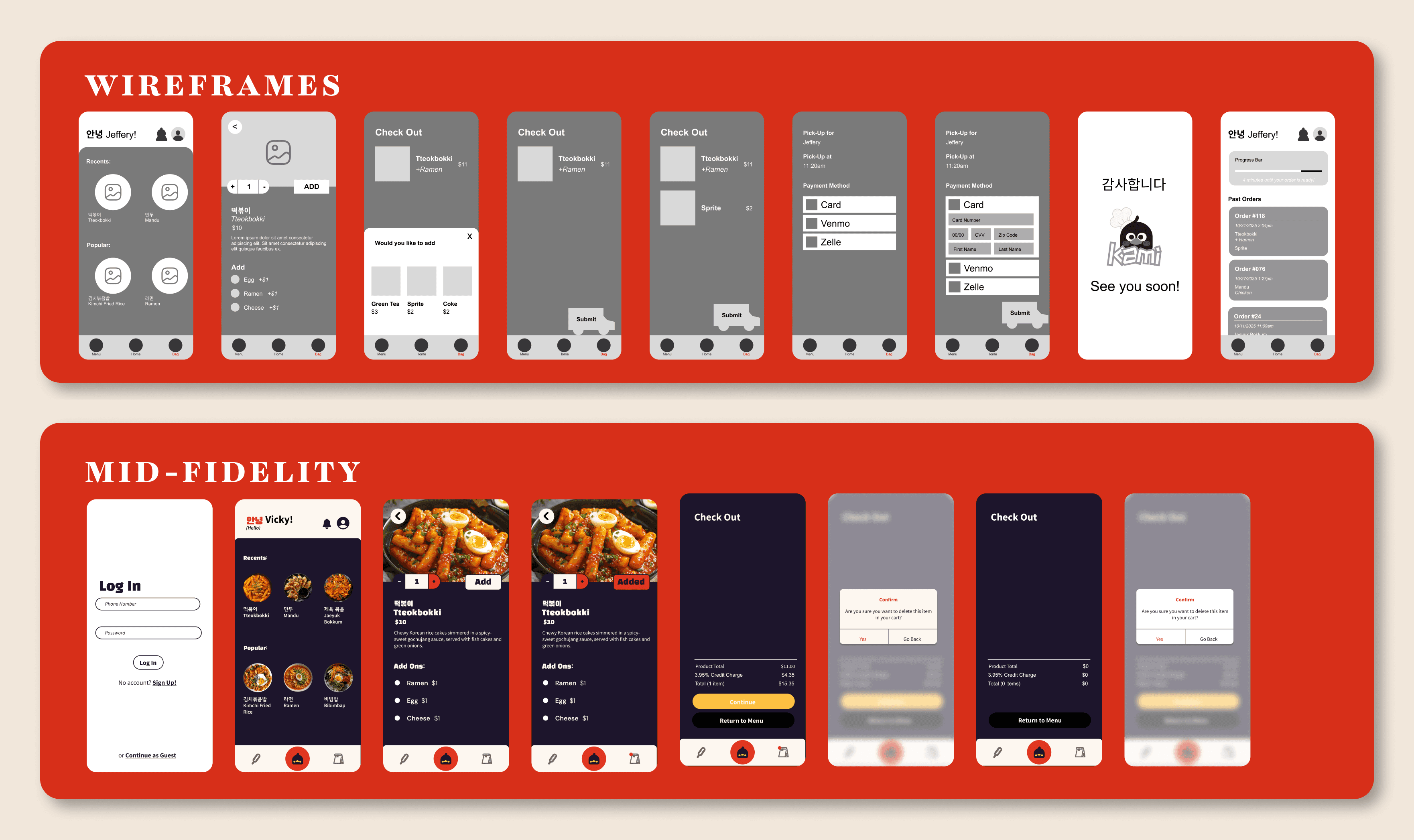
DESIGN PROCESS, WIREFRAMES, MID-FIDELITY

Starting Off : Phase 1
Very early on usability tests on low and mid-fidelity prototypes surfaced four consistent issues: layouts were too complex, food photos were too small, pickup times were missing, and the dark color scheme felt too intense. These findings drove every decision going into high-fidelity.

Although it varied to every industry, the primary involved the following:

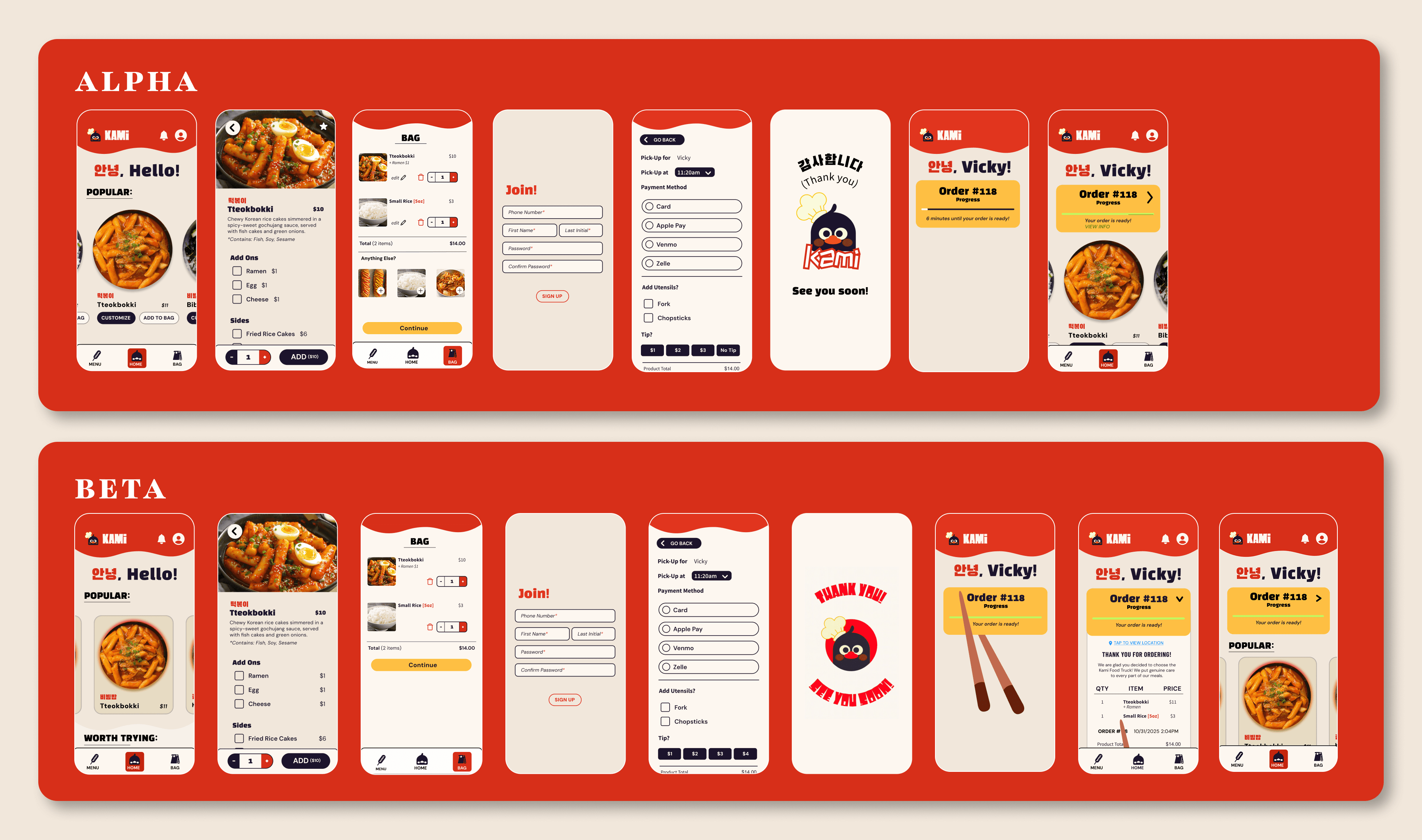
DESIGN PROCESS, ALPHA, BETA

Cleaning it Up : Phase 2

In Phase 2, usability tests were run on alpha and beta versions of the CSS-coded app. My design partner and I alternated between facilitating and note-taking. After each round, findings were synthesized as a team and proposed changes were reviewed with developers before the next round began.

Although it varied to every industry, the primary involved the following:

REFINEMENTS

Input…Output

From initial observations to final handoff, each phase was shaped by what real users felt was best and their overall design preferences.

  1. Home Hierarchy

Reconstructed layout to reduce overload and establish a clear visual focal point at the top of the screen.

  1. Chopstick Anim.

A branded mascot animation was well-received but adjusted for speed after users found it too slow for a fast-paced ordering context.

  1. Customization

Reorganized item names and prices to make scanning faster and reduce confusion.

  1. Tip Screen

Simplified after users flagged it as confusing and developers flagged it as difficult to build in PHP.

  1. Push Notification

Restructured layout to reduce overload and establish a clear visual focal point at the top of the screen.

  1. Pickup Time

New animation were well-received but adjusted for speed after users found it too slow for a fast-paced ordering context.

Cutting Navigation

Softer palette replaced the dark color scheme, and I sketched the initial mascot redesign for the graphic designer to refine.

Micro-animations

To reduce steps of user feedback + PHP merges, removed the unnecessary login input and simplified CSS/HTML pages
USABILITY TESTING/RESULTS

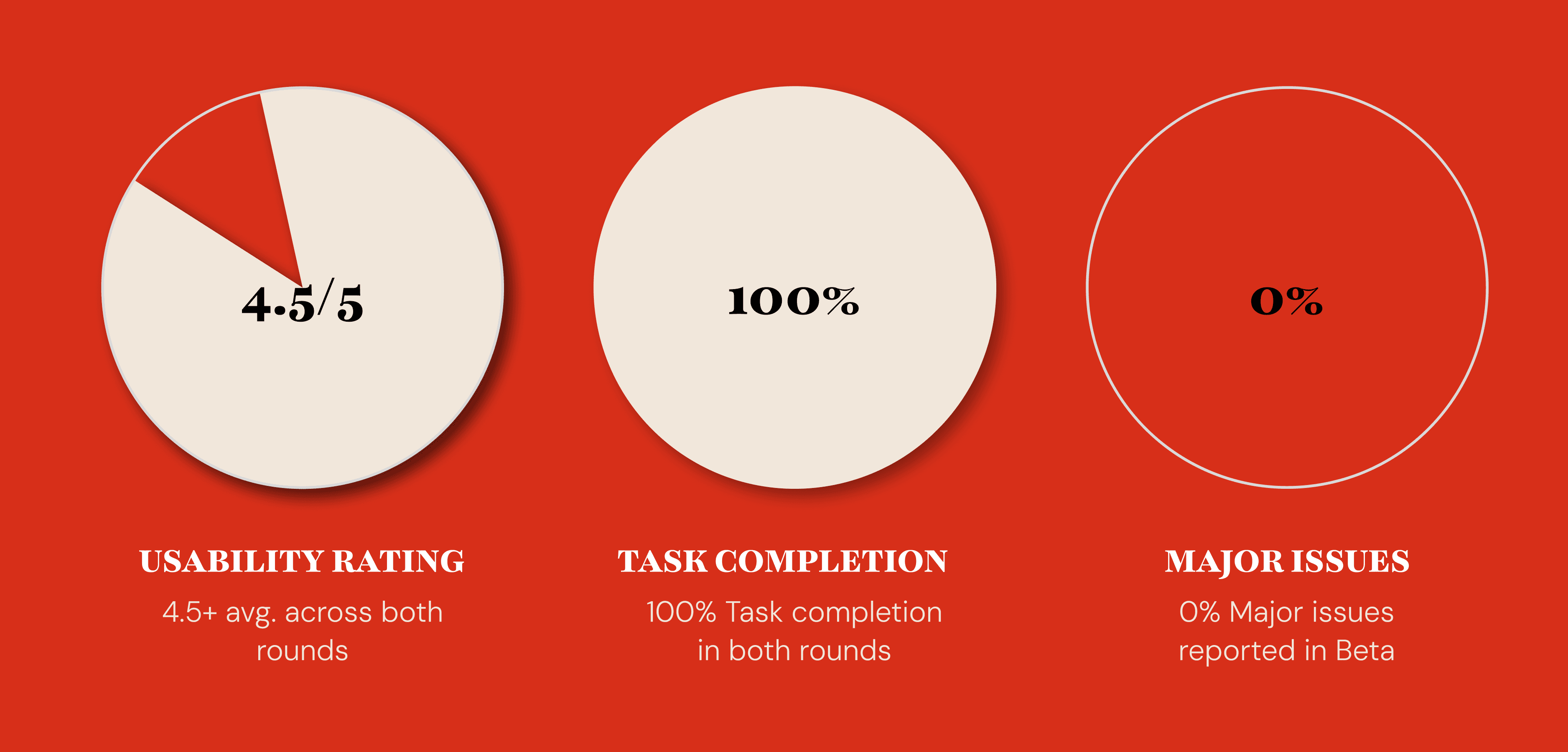
Food Truck App Beta Usability Findings

Phase 2 tests were run on alpha and beta versions of the coded app. My design partner and I alternated between facilitating and note-taking to keep observations objective. Findings were combined as a team before any changes were reviewed with developers, keeping design and development aligned throughout.


With some minor alterations needed toward the end, results were strongly positive:

Although it varied to every industry, the primary involved the following:

  • Usability testing averaged 4.5 out of 5 in the beta round, clearing the 4/5 target set at the start of the project

  • Most participants completed the ordering flow without confusion

  • Final round feedback centered on minor spacing preferences rather than structural issues

That shift was the clearest signal that the core experience had been solved.

Although it varied to every industry, the primary involved the following:

FINAL

Kami's Conclusion

Every pain point uncovered in research became a purposeful feature. Confusing navigation was simplified, order-ahead functionality eliminated long waits, and push notifications replaced inconsistent Instagram updates. The result is an app that does not just let you order Korean food. It makes the entire Kami experience smoother, more reliable, and more worth coming back to.
The redesign did not just test better. It felt like YEN.

Although it varied to every industry, the primary involved the following: